


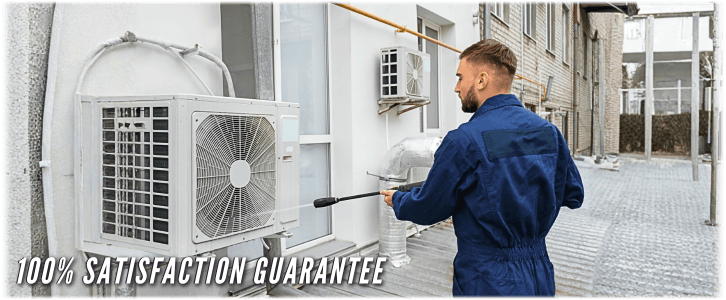
When musty odors linger around your air conditioner, professional HVAC mold removal in Fort Lauderdale, FL can help address the source. South Florida’s warm temperatures and persistent humidity create favorable conditions for moisture buildup inside cooling equipment. Consequently, mold may develop around damp coils, drain pans, and other HVAC components. Our service focuses on identifying suspected contamination, evaluating moisture problems, and recommending appropriate solutions. Call (754) 291-6400 today to discuss your concerns and schedule an assessment.
Why Mold Develops Around Air Conditioning Equipment
Your air conditioner removes moisture from indoor air during normal cooling cycles. However, drainage problems can allow water to accumulate inside the system.
Dust and organic debris also collect around cooling components. When these materials remain damp, they can support microbial growth.
Additionally, clogged condensate lines may cause water to collect near air handlers. Therefore, effective HVAC mold remediation must address both contamination and moisture sources.
Fort Lauderdale’s extended cooling season makes regular equipment inspections particularly important for homeowners.
Warning Signs Your HVAC System May Have Mold
Some moisture problems develop gradually without obvious symptoms. Nevertheless, several warning signs deserve closer attention.
Musty air conditioning odors: Unpleasant smells become noticeable whenever your cooling system operates.
Suspicious surface discoloration: Dark patches appear around accessible cooling components, vents, or drain pans.
Standing condensate water: Moisture collects around your air handler instead of draining properly.
Recurring drainage problems: Your AC system experiences repeated condensate line blockages or water leaks.
Damp insulation: Moisture affects insulation near cooling equipment or accessible duct connections.
However, these symptoms do not automatically confirm mold. A qualified evaluation can determine whether contamination requires professional treatment.
Our Approach to HVAC Mold Inspection and Treatment
We focus on identifying the cause of contamination rather than simply covering up unpleasant odors.
First, our technicians inspect accessible HVAC components for visible moisture and suspected microbial growth. Next, they evaluate drainage conditions and determine which materials require attention.
When appropriate, air conditioner mold cleaning addresses contamination on compatible, nonporous surfaces. Additionally, suitable cleaning methods help minimize unnecessary disturbance of affected areas.
Our assessment may identify problems around evaporator coils, condensate pans, or nearby equipment surfaces. However, extensive contamination may require specialized containment and professional mold remediation.
Porous insulation and severely contaminated materials may also require replacement. Furthermore, correcting moisture sources helps reduce the likelihood of recurring problems.
After evaluating the system, we explain relevant findings and discuss practical next steps.
Fort Lauderdale’s Coastal Climate and HVAC Moisture
Homes throughout Victoria Park, Coral Ridge, Rio Vista, and the Las Olas area experience prolonged periods of heat and humidity.
Consequently, air conditioning systems often operate for extended periods, producing substantial condensation. Poor drainage or damaged insulation can increase moisture-related concerns.
Older properties may contain aging air handlers, while newer waterfront condominiums can experience condensation around enclosed mechanical spaces.
Additionally, coastal conditions may accelerate deterioration of exposed equipment components.
Our maintenance services complement air duct cleaning, ductwork inspection, and AC coil cleaning when homeowners need broader ventilation care.
Professional air duct mold removal may also address confirmed contamination affecting duct surfaces outside the air handler.
When Should You Schedule HVAC Mold Removal in Fort Lauderdale, FL?
Consider an inspection when musty odors persist, suspicious growth appears, or moisture repeatedly accumulates around cooling equipment.
Additionally, schedule an assessment after flooding, roof leaks, or significant air conditioning drainage failures.
Early attention can help identify affected components before moisture causes additional damage. However, cleaning alone cannot correct ongoing condensation or water intrusion problems.
Therefore, homeowners should address underlying moisture sources alongside appropriate contamination treatment.
Frequently Asked Questions
Can mold develop inside an air handler?
Yes. Persistent moisture and organic debris can support mold growth on suitable surfaces. Therefore, proper drainage and regular maintenance matter.
Will replacing my AC filter eliminate HVAC mold?
No. A clean filter helps capture airborne particles but cannot remove established contamination. Additionally, moisture problems require separate attention.
How can I schedule HVAC mold removal in Fort Lauderdale, FL?
Call (754) 291-6400 to discuss suspected contamination and request an assessment for HVAC mold removal in Fort Lauderdale, FL.
Address HVAC Mold Concerns Before They Worsen
Don’t ignore persistent musty odors, suspicious buildup, or recurring moisture around your air conditioning equipment. Our careful assessment approach helps identify potential contamination and suitable treatment options. Call (754) 291-6400 today to discuss your cooling concerns and arrange professional HVAC mold removal in Fort Lauderdale, FL.